Zinc for Adults Over 40: An In-Depth Review
Zinc is one of those minerals that most adults assume they are getting enough of. It rarely makes headlines the way iron or calcium do. The research on zinc deficiency in midlife, however, tells a different story. Low zinc is more common than most people realise. Symptoms overlap convincingly with general ageing, and the consequences for immune function, hormonal health, and cognitive performance are significant enough to warrant a closer look.
This review covers what zinc does, why deficiency becomes more common after 40, which symptoms to watch for, the important differences between supplement forms, the zinc-copper balance that many people get wrong, and how to dose effectively without creating new problems.
What Zinc Does in the Body
Zinc is an essential trace mineral that functions as a cofactor for over 300 enzymes. This makes it one of the most broadly active minerals in human physiology. Unlike iron or calcium, zinc does not accumulate in a storage reservoir. It relies on consistent daily intake, which is why deficiency develops relatively quickly when dietary intake falls short.
The functions zinc supports fall into several distinct categories. Zinc drives cell division and DNA synthesis, which is why rapidly proliferating tissues (skin, gut lining, immune cells) are first to show signs of deficiency. As a structural component of zinc finger proteins, it regulates gene expression throughout the body. Zinc also modulates immune signalling, supports wound healing, and underpins the senses of taste and smell through its role in gustin, a zinc-dependent enzyme in saliva.
For adults over 40, two of zinc’s roles deserve particular attention: testosterone metabolism and immune function. Both decline with age, and zinc is directly implicated in both.
Why Zinc Deficiency Becomes More Likely After 40
Absorption Declines With Age
Zinc absorption depends on stomach acid, and gastric acid production declines gradually over the decades. Adults over 60 typically produce significantly less stomach acid than they did at 40, reducing zinc bioavailability. Gut motility changes and declining intestinal surface area compound this further. Even a diet adequate in zinc may deliver less to the bloodstream than it did a decade earlier.
Dietary Patterns That Create Gaps
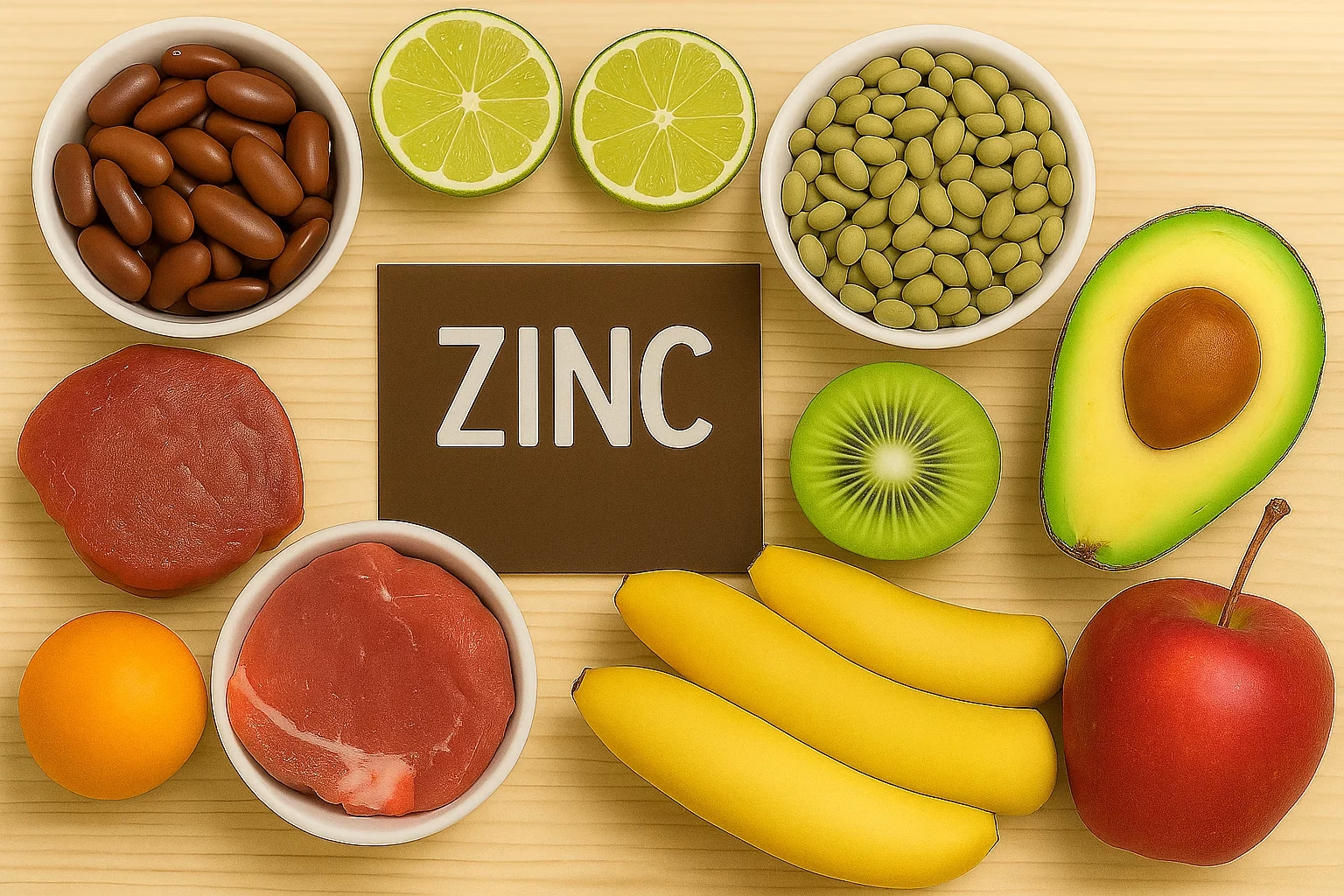
Zinc is most bioavailable from red meat, shellfish (particularly oysters, which contain extraordinarily high zinc concentrations), poultry, and dairy. Plant sources such as legumes, nuts, seeds, and whole grains contain zinc but also contain phytates. These compounds bind zinc and significantly reduce its absorption. Vegetarians and vegans face elevated deficiency risk as a result. Adults who have reduced red meat intake for health reasons may also be getting less bioavailable zinc than they realise.
Medications That Deplete Zinc
Several medications commonly prescribed after 40 increase zinc loss. Diuretics raise urinary zinc excretion substantially, while proton pump inhibitors reduce stomach acid and consequently impair absorption. ACE inhibitors, angiotensin receptor blockers, and certain antibiotics also interfere with zinc metabolism. Adults on long-term prescriptions in these categories should consider monitoring their zinc status.
Chronic Stress and Alcohol
Chronic stress elevates cortisol, which increases urinary zinc loss over time. Alcohol both increases zinc excretion and impairs intestinal absorption. Regular moderate alcohol consumption can meaningfully reduce zinc status over months, adding to risk for adults whose dietary intake is already borderline.
Signs You May Be Low in Zinc
Zinc deficiency rarely announces itself clearly. The symptoms are non-specific and easy to attribute to other causes. This is partly because zinc participates in so many biological processes that its absence shows up across multiple systems at once rather than producing one distinctive sign.
The most commonly reported signs of low zinc in adults over 40 include frequent colds and infections, slow wound healing, hair loss or thinning, changes in taste or smell (sometimes subtle), skin problems including persistent acne or dermatitis, white spots on fingernails, brain fog and poor concentration, and reduced libido. In men, low zinc associates consistently with lower testosterone levels.
Standard blood testing for zinc is unreliable for the same reason serum magnesium is unreliable: zinc concentration in blood does not accurately reflect total body status because most zinc sits in cells and tissues rather than in the bloodstream. If symptoms suggest deficiency, a therapeutic trial of supplementation is often more informative than a single blood test result.
Key Benefits: What the Research Shows
Immune Function
Zinc’s role in immune function is the most extensively researched of its benefits. It supports the development and activity of T-cells, natural killer cells, and macrophages, all critical components of the immune response. Zinc-deficient states produce a characteristic immune pattern: reduced T-cell numbers, impaired antibody responses, and increased susceptibility to infections.
In adults over 40, where immune competence naturally declines, correcting zinc deficiency produces measurable improvements. A meta-analysis covering zinc supplementation in older adults found significant reductions in infection incidence and inflammatory markers. Zinc lozenges reduce cold duration by around 33% through a local effect on the throat mucosa, provided they start within 24 hours of symptom onset.
Testosterone and Hormonal Health
Zinc is required for testosterone biosynthesis in the Leydig cells of the testes. It also inhibits aromatase, the enzyme that converts testosterone to oestrogen. Low zinc therefore exerts a double-negative effect: it reduces testosterone production and facilitates its conversion to oestrogen simultaneously. Several studies find that zinc supplementation in deficient men meaningfully raises testosterone levels. The effect is real but context-dependent: supplementing zinc restores levels toward normal in deficient men but does not raise testosterone above the normal range in those already sufficient.
For women, zinc influences oestrogen and progesterone balance and supports thyroid function. Although less studied than the male picture, zinc adequacy remains relevant to menstrual regularity, fertility, and menopausal symptom severity. Our guide to vitamins and minerals for women and men over 40 covers how these gender-specific hormonal factors shape supplement priorities in midlife.
Skin, Wound Healing and Collagen
Zinc supports collagen synthesis, cell proliferation, and inflammatory regulation, all processes central to wound healing. It is one of the few minerals with well-established topical as well as oral evidence for skin health. Oral zinc reduces inflammatory acne in controlled trials, with effect sizes comparable to some antibiotic treatments. For adults over 40 dealing with slower tissue repair or persistent skin inflammation, adequate zinc is worth addressing first.
Zinc also supports the collagen production process that collagen supplementation aims to enhance. Both work through complementary mechanisms: collagen peptides provide the amino acid substrates while zinc supports the enzymatic processes that assemble them into functional collagen.
Cognitive Function
Zinc concentrates in the hippocampus and cortex, where it modulates neurotransmitter release and synaptic plasticity. Zinc-deficient states produce measurable impairments in memory, learning, and attention. Observational studies consistently find associations between lower zinc status and faster cognitive decline in older adults. Whether supplementation in adults without clinical deficiency produces further cognitive benefit is less clear. Ensuring adequacy is well-justified, however, given the cognitive stakes of midlife.
Eye Health
The retina contains some of the highest zinc concentrations in the body. Zinc plays a role in Vitamin A metabolism in the eye and protects retinal cells from oxidative damage. The AREDS trial found that zinc alongside antioxidants reduced progression to advanced AMD by around 25% in high-risk individuals. This is one of the more clinically specific and compelling use cases for zinc supplementation in adults over 40.
Forms of Zinc: Which One to Choose
Zinc Picolinate
Zinc picolinate bonds zinc to picolinic acid, which enhances uptake across the intestinal wall. Several comparative studies suggest it achieves higher zinc retention in tissues than other common forms. It absorbs well and causes minimal gastrointestinal discomfort. For adults supplementing primarily for systemic deficiency correction, zinc picolinate is a well-supported first choice.
Zinc Bisglycinate
Zinc bisglycinate bonds zinc to two glycine molecules. It has excellent bioavailability and very low gastrointestinal side effects, making it suitable for those who find other forms cause nausea. Some practitioners favour this form for long-term use because of its tolerability profile.
Zinc Citrate
Zinc citrate absorbs well and tolerates the digestive system reliably. It is a common inclusion in quality multivitamins and a reasonable standalone supplement. Bioavailability is good, though head-to-head studies suggest zinc picolinate and bisglycinate absorb slightly more efficiently.
Zinc Gluconate
Zinc gluconate has solid evidence specifically for cold lozenges, where the local mechanism of action matters more than systemic absorption. For general supplementation, it offers adequate but not exceptional bioavailability. It is a reasonable option at lower doses and appears frequently in budget supplements.
Zinc Oxide
Zinc oxide provides a high percentage of elemental zinc by weight but absorbs poorly. Studies consistently show it raises blood zinc levels less effectively than organic zinc compounds at equivalent doses. It remains useful in topical applications such as sunscreens and barrier creams, but it is not the optimal choice for oral supplementation.
The Zinc-Copper Balance: Why It Matters
This is the most important safety consideration in zinc supplementation, and it is frequently overlooked.
Zinc and copper compete for absorption through the same intestinal transport proteins (metallothionein). High zinc intake suppresses copper absorption and can lead to copper deficiency over time. Copper deficiency causes anaemia, neurological problems, and impaired immune function. At a common supplement dose of 15 to 25 mg zinc per day, around 1 to 2 mg of copper per day maintains the recommended zinc-to-copper ratio.
Many zinc supplements contain no copper at all. Adults taking zinc long-term should either choose a product that includes copper or supplement it separately, particularly at higher doses or with extended use.
Dosage Guidance
The RDA for zinc is 11 mg per day for men and 8 mg per day for women. These figures reflect minimum needs for healthy adults with normal absorption. After 40, where absorption efficiency declines, intake needs to account for this gap.
For maintenance and moderate deficiency correction in adults over 40, 15 to 25 mg of elemental zinc per day from a well-absorbed form is a sensible range. This covers most deficiency scenarios without approaching the threshold at which copper suppression becomes significant. For confirmed zinc deficiency, short-term therapeutic doses of 25 to 40 mg per day may be appropriate, but copper supplementation or monitoring becomes more important at the higher end of this range.
The tolerable upper intake level is 40 mg per day for adults. Exceeding this regularly raises the risk of copper depletion, nausea, and impaired immune function. More zinc than needed does not improve outcomes and can actively worsen health over time.
Take zinc with a small meal to reduce nausea. Avoid combining it with high-calcium foods, iron supplements, or phytate-rich foods like bran or legumes at the same time. All of these reduce zinc absorption substantially. Spacing zinc at least two hours from them maximises the dose you actually absorb.
Who Should Consider Supplementing
Not all adults over 40 need a zinc supplement. However, several groups have a clear case for it. Adults who eat little or no red meat or shellfish are likely to be getting less bioavailable zinc than their requirements demand. Vegetarians and vegans fall into this category by default. People with gastrointestinal conditions that impair absorption (Crohn’s disease, coeliac disease, inflammatory bowel disease) often develop zinc deficiency despite adequate dietary intake. Those on long-term diuretics, PPIs, or ACE inhibitors face ongoing depletion risk.
Men over 40 experiencing fatigue, reduced libido, or slower recovery should have zinc in mind as a straightforward and often overlooked factor. Women navigating perimenopause with persistent immune issues or skin changes may also benefit from assessing zinc status.
For a broader picture of how zinc fits alongside the other minerals most worth addressing after 40, our full minerals review section covers magnesium, calcium, iron, and selenium in the same depth.
The Bottom Line
Zinc occupies a unique position among the minerals relevant to adults over 40 because its deficiency is both common and commonly overlooked. Symptoms are subtle, the standard blood test is unreliable, and the effects touch virtually every system that matters most in midlife: immunity, hormone balance, skin integrity, cognitive function, and eye health.
Zinc picolinate or bisglycinate at 15 to 25 mg per day, taken with food and paired with 1 to 2 mg of copper, addresses deficiency effectively and safely for most adults. Higher doses require more careful management of the copper balance. Dietary zinc from red meat and shellfish remains the most bioavailable route, making dietary assessment the sensible starting point before reaching for a supplement.
Adults on diuretics, PPIs, ACE inhibitors, or antibiotics should discuss zinc supplementation with their GP. Anyone taking more than 25 mg of zinc per day long-term should monitor copper status or supplement copper alongside it.