Selenium for Adults Over 40: An In-Depth Review
Selenium is the trace mineral with the narrowest gap between the dose that benefits you and the dose that harms you. That fact makes it worth understanding more carefully than most people do. For adults over 40, selenium plays important roles in thyroid function, antioxidant defence, immune regulation, and reproductive health. Getting it right matters, and getting it wrong in either direction produces real consequences.
This review covers what selenium does, why requirements and risks are specific to midlife, what the evidence shows across key health areas, how to choose the right form, and how to avoid the toxicity that makes selenium unique among the minerals on this site.
What Selenium Does in the Body
Selenium functions primarily through selenoproteins, a family of proteins that incorporate selenium at their active sites. The human genome encodes 25 selenoproteins, each with a distinct biological role. Understanding two of them helps explain why selenium deficiency produces such wide-ranging effects.
Glutathione peroxidases (GPx) are the body’s primary selenium-dependent antioxidant enzymes. They neutralise hydrogen peroxide and lipid hydroperoxides before these damage cell membranes, DNA, and proteins. Without adequate selenium, GPx activity falls and oxidative stress accumulates throughout the body. This mechanism links low selenium to increased cancer risk, cardiovascular disease, and accelerated cellular ageing.
Thioredoxin reductases (TrxR) are a second family of selenium-dependent enzymes. They regulate the redox state of cells and participate in DNA repair, immune signalling, and apoptosis (programmed cell death). TrxR activity matters in cancer biology, since cancer cells often depend on altered redox signalling to survive.
Thyroid Hormone Metabolism
The thyroid gland contains more selenium per gram of tissue than any other organ in the body. This reflects selenium’s essential role in thyroid function. Three selenoproteins called iodothyronine deiodinases convert T4 (the inactive storage form) into T3, the active form that drives metabolism, energy production, body temperature, and mood. Without adequate selenium, this conversion fails and T3 levels fall even when the thyroid gland functions normally.
Selenium also protects thyroid tissue from oxidative damage. The thyroid produces hydrogen peroxide as a byproduct of hormone synthesis. GPx enzymes neutralise this hydrogen peroxide before it damages thyroid cells. In deficiency, this protective mechanism fails, raising both oxidative damage to thyroid tissue and autoimmune thyroid disease risk. Several studies link low selenium to higher rates of Hashimoto’s thyroiditis. Supplementation trials have shown reductions in thyroid antibody levels in affected adults.
Why Selenium Matters More After 40
Thyroid Changes in Midlife
Thyroid disorders become significantly more common after 40, particularly in women. Hypothyroidism, Hashimoto’s thyroiditis, and subclinical thyroid dysfunction all increase in prevalence through the 40s and 50s. Since selenium supports thyroid hormone activation and protects thyroid tissue, deficiency at this stage has greater consequences than it does in younger adults.
Symptoms of thyroid dysfunction, including fatigue, weight gain, cold intolerance, brain fog, and hair loss, overlap substantially with selenium deficiency symptoms. In adults with suboptimal thyroid function and borderline selenium status, addressing selenium can produce meaningful improvements without medication changes.
Oxidative Stress Accumulates
Oxidative stress builds with age as mitochondrial efficiency declines, antioxidant enzyme systems weaken, and chronic low-grade inflammation becomes more persistent. Selenium-dependent GPx enzymes are a front-line defence against this accumulation. Maintaining adequate selenium therefore becomes more important, not less, as adults move through their 40s and beyond.
Soil Depletion and Geographic Risk
Selenium content in food depends entirely on the selenium content of the soil in which food was grown or raised. Much of Europe, particularly northern and central regions, has low-selenium soil. Large parts of China, New Zealand, and some areas of the UK have selenium-depleted soils that produce food consistently below the levels found in North America. Adults in these regions frequently fall short of requirements through no fault of their dietary choices. Supplementation fills a gap that food cannot reliably cover in these geographies.
Key Benefits: What the Evidence Shows
Thyroid Health
The evidence for selenium in thyroid health is among the most well-developed in the mineral’s research literature. A meta-analysis of randomised controlled trials found selenium supplementation significantly reduced TPO antibody levels in adults with Hashimoto’s thyroiditis, an autoimmune condition that destroys thyroid tissue over time. Lower antibody levels indicate reduced autoimmune activity and slower disease progression.
Several European thyroid societies now recommend selenium supplementation for adults with elevated thyroid antibodies. The dose used in most trials is 200 mcg per day of selenomethionine. This is some of the clearest evidence for selenium supplementation in adults over 40 with thyroid concerns.
Antioxidant Defence and Cancer Prevention
Epidemiological studies consistently find associations between higher selenium status and lower cancer incidence, particularly for prostate, colorectal, and lung cancers. The mechanistic case is strong: selenium supports GPx and TrxR activity, both of which play direct roles in preventing DNA oxidative damage and regulating cancer cell apoptosis.
However, the controlled trial picture is more nuanced. The SELECT trial (Selenium and Vitamin E Cancer Prevention Trial) found no reduction in prostate cancer risk from selenium supplementation in men with already-adequate selenium status. This finding reinforced an important principle. Selenium’s protective effect against oxidative damage applies most strongly in adults with insufficient baseline levels. Supplementing adults who already have adequate selenium does not reduce cancer risk further and may increase it at high doses.
Maintaining adequate selenium status through diet or modest supplementation provides meaningful antioxidant and cancer-protective benefit. Supplementing at high doses to exceed adequacy does not add benefit and introduces risk.
Cardiovascular Health
Several large prospective cohort studies find that lower selenium status associates with higher rates of coronary heart disease, heart failure, and cardiovascular mortality. GPx enzymes protect arterial endothelium from oxidative damage, reduce inflammatory cytokines, and inhibit platelet aggregation. These mechanisms are consistent with selenium’s antioxidant role.
Controlled trial evidence is more modest than observational data suggests. A 2013 Cochrane review found insufficient evidence to recommend selenium supplementation for cardiovascular prevention in the general population. The benefit appears concentrated in adults with low baseline selenium. Correcting deficiency matters here too, but supplementing beyond adequacy does not.
Cognitive Function
The brain is rich in polyunsaturated fatty acids and consequently vulnerable to oxidative damage. Selenium-dependent antioxidant enzymes play a protective role in neural tissue. Observational studies consistently find associations between lower selenium status and faster cognitive decline in older adults. A French prospective study found adults with lower plasma selenium at baseline experienced greater cognitive deterioration over nine years than those with adequate levels.
For adults over 40 who are proactively managing cognitive health, maintaining selenium adequacy is a reasonable and evidence-consistent approach. The Vitamin E review covers the related antioxidant partnership between selenium and Vitamin E in neural tissue, since both nutrients work through complementary redox mechanisms in the brain.
Immune Function
Selenium supports multiple aspects of immune function, including T-cell proliferation, natural killer cell activity, and antibody production. Deficiency impairs the immune response to viral infections and reduces vaccine efficacy. Several studies show selenium supplementation in deficient adults improves immune response and reduces viral mutation during infection, a relevant finding for respiratory viruses.
Male Reproductive Health
Selenoprotein P concentrates in the testes and supports sperm motility and DNA integrity. Several studies link selenium deficiency to reduced sperm quality, and supplementation trials in infertile men with low selenium have shown improvements in sperm motility. For men over 40 where fertility is a concern, selenium status is worth assessing alongside zinc, which plays a similarly important role in male reproductive function through different mechanisms. Our zinc review covers the zinc-testosterone connection and how both minerals support male hormonal health in complementary ways.
Selenium Deficiency: Who Is Most at Risk
Adults most likely to have suboptimal selenium status include those living in low-selenium soil regions (particularly northern and central Europe), people following vegetarian or vegan diets where plant selenium content varies widely depending on soil, adults with gastrointestinal conditions that impair absorption such as Crohn’s disease or coeliac disease, and people who have had significant portions of their digestive tract surgically removed. Adults with HIV and haemodialysis patients also face elevated deficiency risk.
The symptoms most commonly reported with suboptimal selenium status include fatigue, cognitive sluggishness, hair thinning, muscle weakness, weakened immune response, and thyroid-related symptoms including unexplained weight changes and cold intolerance. Because these overlap with many other conditions common in midlife, testing is more reliable than symptom assessment alone.
Testing Selenium Status
Plasma or serum selenium provides a reasonable snapshot of recent intake. Selenoprotein P measurement provides a better indicator of longer-term selenium adequacy, though it is less commonly available through routine testing. For adults in low-selenium regions with thyroid symptoms or concerns, testing through a GP is worth requesting before supplementing.
Forms of Selenium: Which to Choose
Selenomethionine
Selenomethionine is the organic form of selenium bound to the amino acid methionine. It is the most bioavailable form available in supplements and the one used in the majority of clinical trials, including the thyroid antibody reduction trials. The body treats it similarly to methionine itself and incorporates it efficiently into proteins throughout the body. Selenomethionine is the preferred form for general supplementation and for thyroid support specifically.
Selenium-Enriched Yeast
Selenium-enriched yeast contains a mixture of selenomethionine and other organic selenium compounds. Good bioavailability makes it suitable for supplementation, and several large prospective studies on selenium and cancer have used this form. As a reasonably natural alternative to pure selenomethionine, it is a legitimate choice.
Sodium Selenite
Sodium selenite is an inorganic form of selenium. Bioavailability is lower than selenomethionine and it is more likely to cause gastrointestinal side effects at higher doses. Cheaper supplements often contain it, but it is a less desirable choice for adults seeking effective supplementation. While some research has used it, selenomethionine is generally preferred for clinical applications.
Selenium from Brazil Nuts
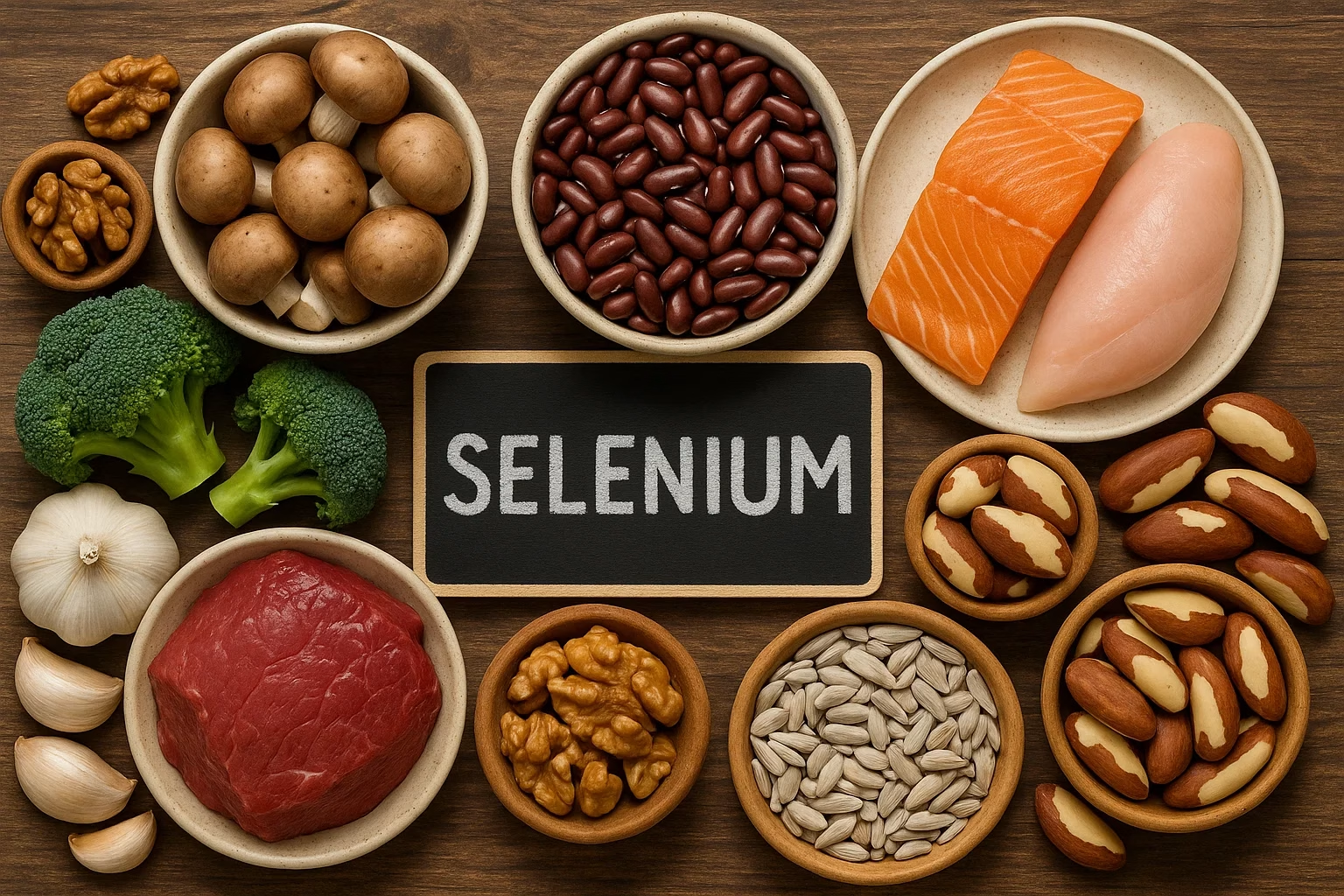
Brazil nuts deserve specific mention because they are exceptionally rich in selenium, with a single nut providing anywhere from 70 to 90 mcg on average, though the actual content varies dramatically with soil conditions. One or two Brazil nuts per day provides adequate selenium for most adults in low-selenium regions. However, the variability in selenium content makes them an unreliable dose source if treating confirmed deficiency. As a dietary complement, however, they are effective and inexpensive.
Dosage Guidance: The Most Critical Section of This Review
Selenium has the narrowest therapeutic window of any mineral covered on this site. Adults need 55 mcg per day according to the RDA. The tolerable upper intake level sits at 400 mcg per day, above which selenium becomes toxic. Unlike most water-soluble nutrients, selenium accumulates in the body. Selenosis (selenium toxicity) produces characteristic and serious symptoms.
Signs of Selenosis
Chronic excessive selenium intake produces a recognisable pattern. Garlic breath from dimethyl selenide exhalation is often the first sign. This may be followed by brittle nails, hair loss, skin lesions, peripheral neuropathy, and in severe cases, respiratory distress and kidney failure. These symptoms typically develop above 400 mcg per day, though individual sensitivity varies.
Recommended Supplementation Doses
For general antioxidant and immune support in adults over 40 who live in low-selenium regions or have suboptimal dietary intake, 100 to 200 mcg per day is the well-evidenced and safe range. For adults with Hashimoto’s thyroiditis or elevated thyroid antibodies, 200 mcg per day of selenomethionine is the dose used in the most compelling clinical trials.
Adults who eat Brazil nuts regularly, consume substantial seafood and meat, or live in high-selenium regions may already be near adequacy from diet alone. Adding a 200 mcg supplement on top pushes total intake unnecessarily close to the upper limit. Assessing dietary intake and geographic risk before supplementing matters here more than it does for most other minerals.
Do not supplement selenium alongside high-dose Vitamin E without medical guidance. The SELECT trial found a non-significant increase in prostate cancer risk in men receiving both selenium and Vitamin E at high doses simultaneously. At recommended doses of each, the interaction risk is low, but high-dose combinations warrant caution.
Safety Summary
At 55 to 200 mcg per day from supplements, selenium is safe for most healthy adults. At 200 to 400 mcg per day, safety depends heavily on dietary selenium intake running in parallel. Above 400 mcg per day from all sources combined, toxicity risk becomes real and potentially serious. The practical rule is simple: supplement with 100 to 200 mcg of selenomethionine per day if dietary sources are low, and avoid stacking selenium-rich foods with high-dose supplements.
Adults with kidney disease should discuss selenium supplementation with their GP before starting, as impaired kidney function affects selenium excretion. Selenium supplements interact with cisplatin (a chemotherapy drug) and should not be taken during chemotherapy without oncologist guidance.
The Bottom Line
Selenium occupies a distinct position in the minerals landscape for adults over 40. Deficiency is genuinely common in specific geographic and dietary contexts. Its consequences are clinically meaningful across thyroid function, antioxidant defence, immunity, and cognitive health. The evidence for supplementing deficient adults is consistent and well-developed. At the same time, it is the one mineral on this site where the instruction “more is not better” is not merely a caution but a clinical fact with documented toxic consequences.
The approach that most adults over 40 benefit from is this: assess dietary intake and geography first. If both suggest low selenium exposure, supplement with 100 to 200 mcg of selenomethionine per day consistently. Retest after three to six months if thyroid concerns prompted the supplementation. Do not exceed 200 mcg from supplements if diet already contributes meaningful selenium. And give Brazil nuts the respect they deserve as a convenient, effective, and easily overdone dietary source.
Adults with thyroid conditions, kidney disease, or those on chemotherapy should discuss selenium supplementation with their GP before starting. Do not take selenium supplements alongside high-dose Vitamin E supplements without medical guidance.